Commercial Auto Insurance for Small Service Fleets
Your service vans are your business. If a van is in the shop, a technician is not billing. If a van is in an accident and the coverage is wrong, the tools inside it, the customer appointment behind it and the contract that required $1,000,000 in limits all become your problem at once.
AGEMA Insurance Solutions builds commercial auto programs for service businesses running 3 to 25 vehicles — Sprinter vans, cargo and service vans, pickups and light trucks — across HVAC, plumbing, roofing, electrical, foundation repair and pest control. We are a full-service commercial brokerage headquartered in Overland Park, Kansas, licensed in all 50 states, with the carrier relationships to place small fleets that most agents have to decline.
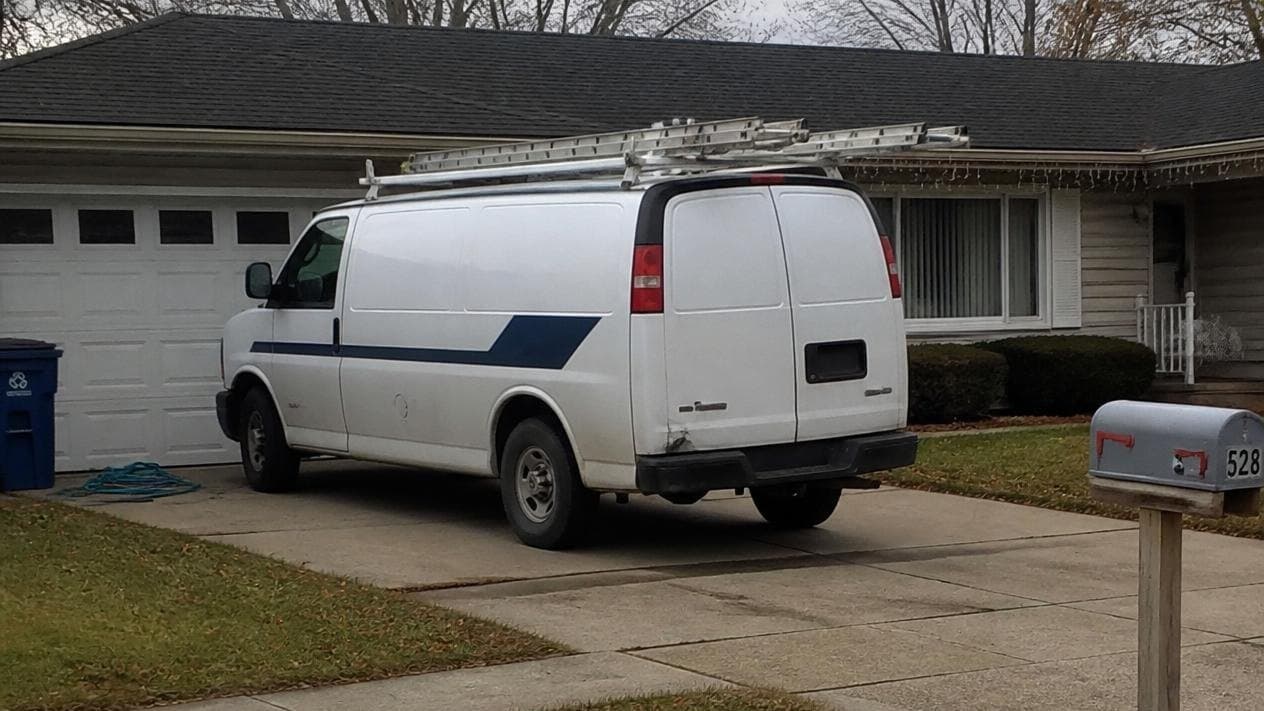
Commercial Auto Coverage Built for 3–25 Vehicle Service Fleets
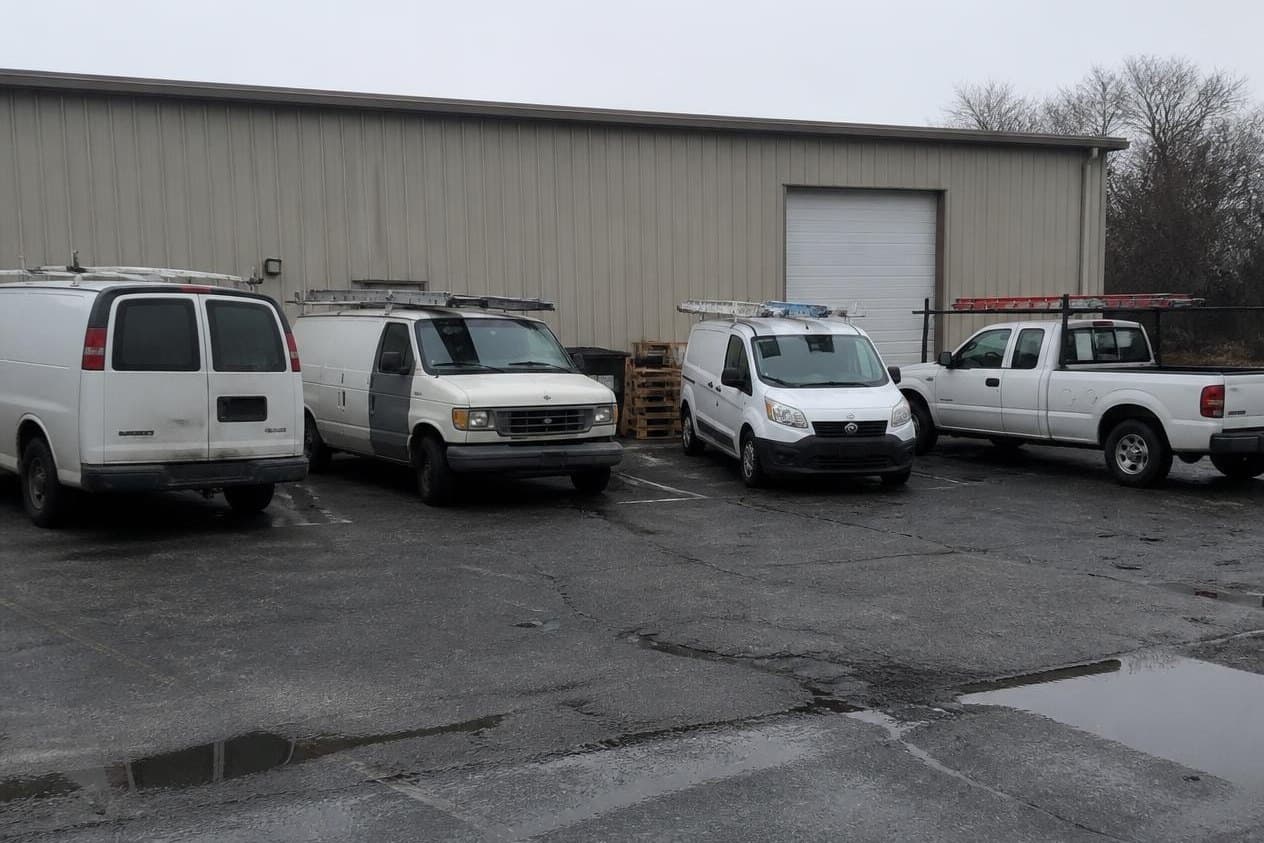
Most insurance websites talk about commercial auto as if every business runs a long-haul trucking operation. Yours does not. You run local routes, tight schedules and expensive upfitted vans that carry more value in tools than in sheet metal.
AGEMA focuses on that middle ground. Too large for a personal auto policy, too small for a dedicated fleet program, and too specialized for an agent who writes one van a year. That is the fleet we know how to place.
When a service business needs commercial auto instead of personal auto
A personal auto policy is written for personal use. Once a vehicle is titled to the business, wrapped in company branding, carrying tools and parts, or driven by employees, the personal policy is the wrong contract — and in a serious claim, the carrier can limit or deny it.
You need commercial auto when any of these is true:
- The vehicle is titled or leased in the business name
- The vehicle is wrapped or lettered with your company name, and used for work
- Employees drive it — including take-home vans and after-hours on-call rotation
- It carries tools, parts, equipment or materials to jobsites
- You tow a trailer with equipment or materials
- Customers, general contractors or property managers require a certificate of insurance naming them as additional insured
- You rent or borrow vehicles, or reimburse employees who drive their own cars for work
If two or more of those apply, you have a commercial auto exposure. If you are not sure, we will review your current policy and tell you plainly where the gap sits.
Why AGEMA for a small fleet review and nationwide placement
Right-sized appetite. We place 3–25 unit fleets every day. We are not sizing your account against a 500-truck fleet program and deciding you are too small.
Real market access. Our team came out of some of the largest wholesale and retail brokerages in the country. We bring national carriers, regional specialists and specialty markets to accounts that other brokers send to a surplus lines desk.
Nationwide reach, local presence. We are licensed in all 50 states and based in Overland Park, Kansas. Whether your fleet is in Johnson County or you are expanding into three new metros, one broker handles the whole schedule.
Coverage that matches how you actually work. Tools, trailers, take-home vans, hired vehicles and subcontracted crews are the exposures that get missed. We underwrite the operation, not just the vehicle list.
Insure the Service Vehicles That Keep Your Team Moving
Not every commercial vehicle rates the same way, and not every carrier handles every class. Here is how we think about the vehicles in a service fleet.
Sprinter vans and cargo/service vans
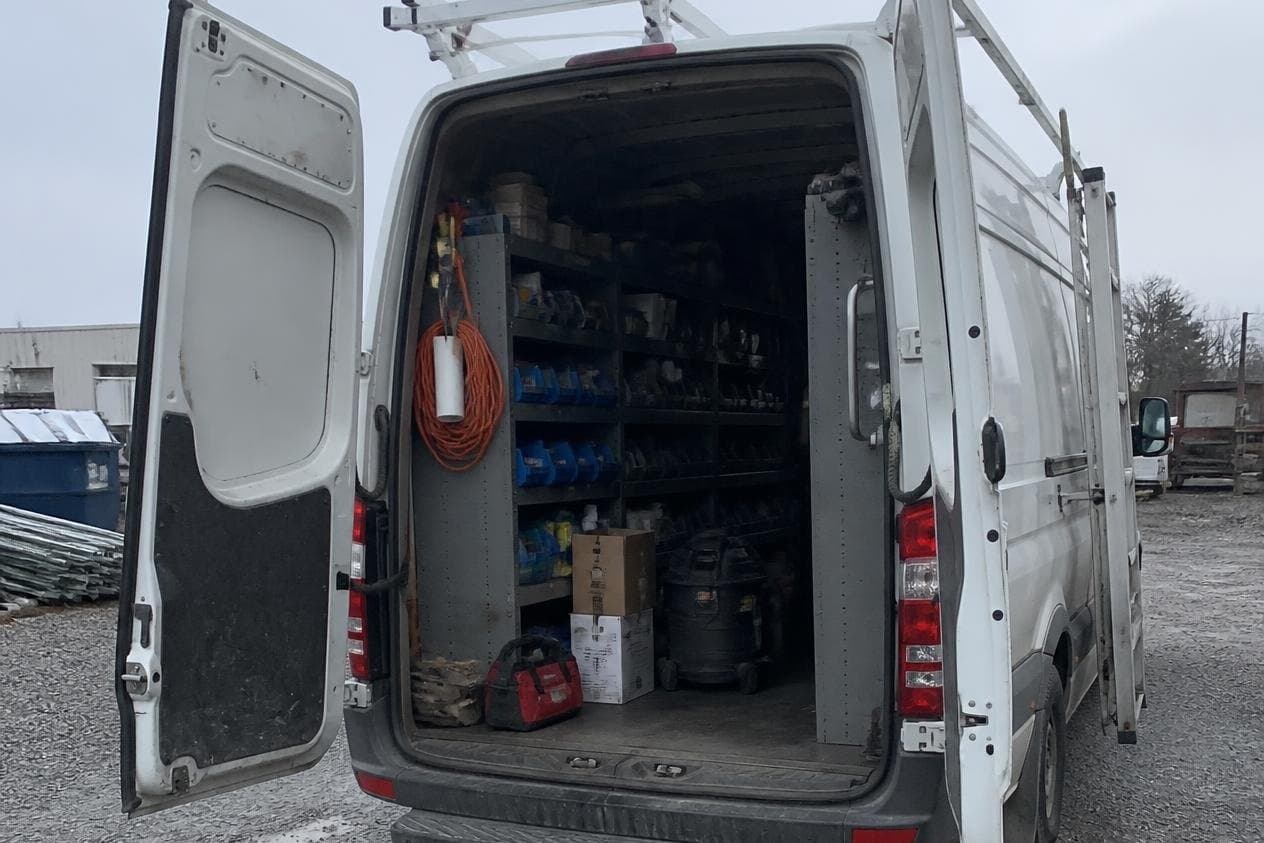
Sprinter vans, Transit and ProMaster cargo vans, and upfitted service vans are the backbone of HVAC, plumbing, electrical and pest control fleets. They are also the most commonly underinsured vehicles on the road, because their value includes a lot that a standard vehicle valuation ignores:
- Permanent upfits — shelving, bin systems, partitions, ladder racks, inverters, power systems
- Wraps and graphics — frequently $3,000 to $8,000 per vehicle to reproduce
- The load itself — tools, parts, test equipment, chemicals and product inventory
- Replacement downtime — a single-van route has no spare
We schedule vehicles at realistic values so a total loss does not turn into a rebuild you fund yourself.
Pickups, utility bodies and Class 1–3 light trucks
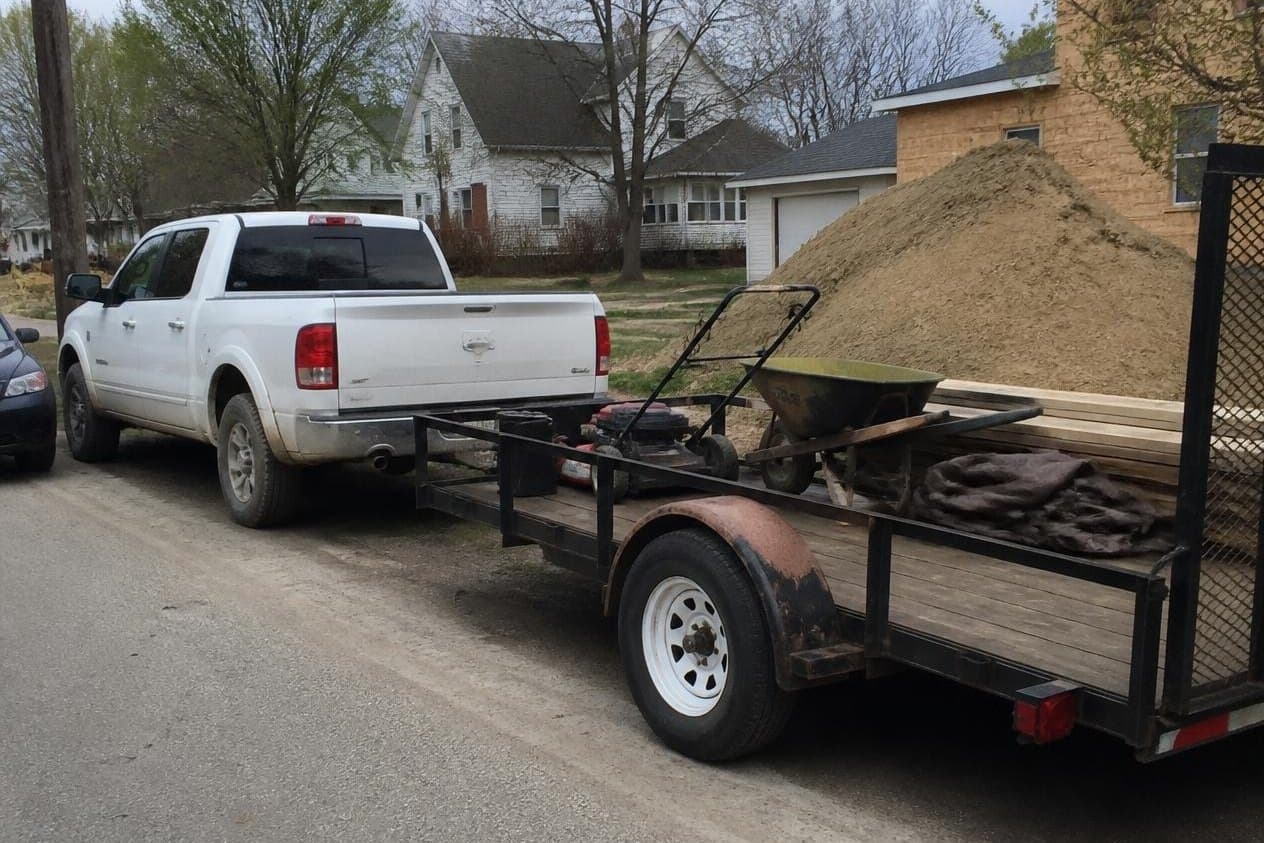
Pickups and light trucks (roughly Class 1–3, up to 14,000 lbs GVW) dominate roofing, foundation and exterior contractor fleets. They typically tow, carry material, and get driven by crews rather than a single assigned operator — which is exactly where driver-selection discipline and trailer coverage matter most.
Trailers, rented/leased vehicles and employee-owned vehicles
The vehicle list is rarely the whole exposure. Service businesses routinely:
- Tow owned trailers — enclosed tool trailers, dump trailers, mower and equipment trailers, generator trailers
- Borrow or rent trailers — from suppliers, rental yards or customers
- Rent replacement vehicles when a unit is down
- Send employees out in personal vehicles for parts runs, estimates or site visits
- Reimburse mileage to project managers and sales staff driving their own trucks
Owned trailers belong on the schedule. Rented, borrowed and employee-owned exposure is handled through hired and non-owned auto — a coverage most service businesses do not carry until after their first uncovered claim.
Commercial Auto Coverages for Mobile Service Companies
A commercial auto policy is not one product. It is a stack of coverages that need to line up with how your crews drive, load and park. Here is what we structure for service fleets.
Auto liability
Covers bodily injury and property damage you cause to others with a covered vehicle. For service trades this is where severity lives: backing out of a customer's driveway, a left turn across traffic, a rear-end on the highway, or a collision with a pedestrian in a commercial lot.
Liability limits should be set by what your contracts require and what a serious injury would actually cost — not by the state minimum. Many commercial customers and general contractors require $1,000,000 combined single limit, with additional insured and waiver of subrogation wording attached.
Physical damage — comprehensive and collision
Pays to repair or replace your vehicle after a collision, theft, hail, wind damage, vandalism, fire or animal strike. Three decisions drive this coverage:
- Valuation basis — actual cash value, stated amount or agreed value for specialized upfits
- Deductibles — set per unit, not one blanket number for a fleet of mixed vehicles
- Attached equipment — what is permanently installed versus what belongs on a separate inland marine form
Medical payments and uninsured/underinsured motorist
Your technician is the person most likely to be injured in a service vehicle claim, and the at-fault driver may have no insurance or state-minimum limits that cover nothing. UM/UIM and medical payments limits should be coordinated with your workers' compensation program so there is no gap and no surprise about which policy responds first.
Hired and non-owned auto (HNOA)
HNOA is the coverage that catches the exposure a scheduled vehicle list always misses. It responds when an employee drives a rented van, a borrowed truck or their own vehicle on company business.
This is the fastest-growing gap in service trades, and it is growing for structural reasons: take-home vans, hybrid work arrangements, mileage-reimbursed estimators, project managers in personal pickups and rental substitutions during repair downtime. HNOA covers your liability. It does not buy back physical damage on the employee's own vehicle.
Rental reimbursement, towing and downtime
For a one-van route, a vehicle in the shop is lost revenue, not an inconvenience. Rental reimbursement and towing and roadside coverage keep a technician productive while a unit is down. We size these limits to your actual dispatch model — including whether you run after-hours emergency service.
What commercial auto does not cover: tools, equipment and materials
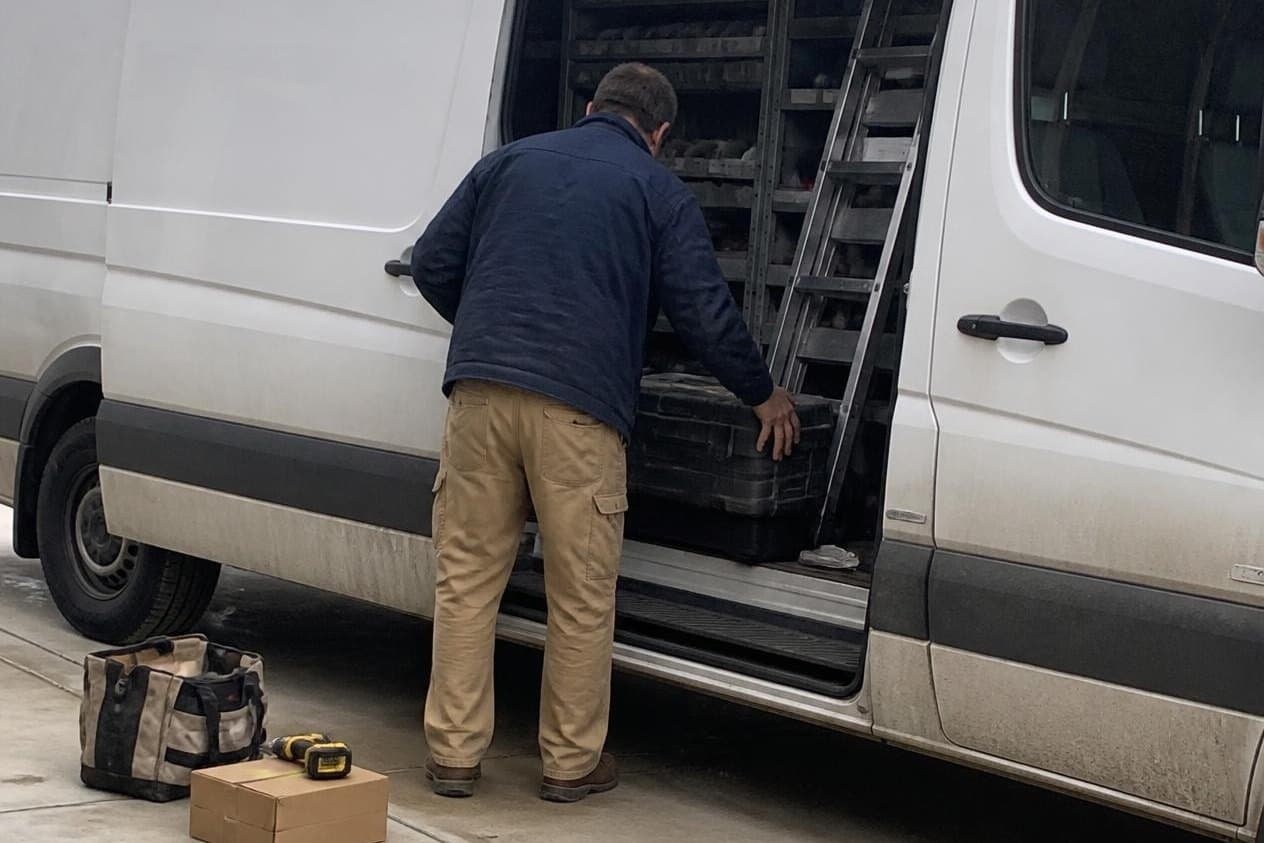
This is the single most common misconception we correct. Commercial auto physical damage insures the vehicle. It does not properly insure the contents.
Tools, meters, diagnostic equipment, spray rigs, jetters, ladders, cameras, parts inventory and customer materials belong on a separate contractors' tools and equipment or inland marine form. The same is true for materials that have not yet been installed — panels, switchgear, HVAC equipment, roofing material, waterproofing components — which belong on an installation floater.
If your current policy has a modest sublimit for "personal effects" and nothing else, you are carrying that risk yourself.
Excess and umbrella limits for serious auto losses
A single serious injury accident can exceed primary auto limits quickly. An umbrella policy adds limits above commercial auto, general liability and employers liability — and it is often the line that satisfies a customer's or general contractor's contract requirement.
We confirm the umbrella actually follows form over your auto and GL policies, at the attachment point your contracts require, without exclusions that swallow your real operations.
Coverage Considerations by Trade
The vehicle list may look similar across trades. The coverage stack does not. Below is how we structure programs for the six trades we specialize in.
| Trade | Vehicle profile | Coverage emphasis | Coverage to question |
|---|---|---|---|
| TradeHVAC | Vehicle profileUpfitted Sprinter/cargo vans, light trucks, ladders on racks | Coverage emphasisPhysical damage on high-value upfits, tools inland marine, installation floater for equipment, pollution for refrigerants | Coverage to questionWhether the installation floater is in place before equipment is set |
| TradePlumbing & drain | Vehicle profileService vans, jetter and camera equipment, trailers | Coverage emphasisTrailer coverage, tools inland marine, sewage/contaminant pollution review, high GL limits for water damage | Coverage to questionPollution exclusions on sewer jetting and drain work |
| TradeRoofing & exterior | Vehicle profilePickups, work trucks, tear-off and material trailers | Coverage emphasisScheduled trailers, employee-owned vehicle HNOA, tools inland marine, completed operations GL | Coverage to questionWhether storm-deployment hires and rentals were ever added |
| TradeElectrical | Vehicle profileStocked service vans, tool trailers, generator trailers | Coverage emphasisPermanently installed equipment on physical damage, installation floater for panels and gear, completed operations | Coverage to questionWhether installation floater covers customer-destined materials |
| TradeFoundation & waterproofing | Vehicle profileWork trucks, straight trucks, equipment trailers, skid steers | Coverage emphasisTrailer liability and physical damage, mobile equipment coordination, underground property damage review, CPL | Coverage to questionWhere mobile equipment sits — auto or inland marine |
| TradePest control & lawn | Vehicle profileWrapped route vans and trucks, spray rigs, chemical loads | Coverage emphasisStated-value upfit review, tools inland marine, transportation pollution, seasonal driver MVRs | Coverage to questionWhether chemical transport and misapplication are excluded |
HVAC contractors
Technicians drive branded vans through residential and light-commercial routes, carry roof ladders and diagnostic equipment, and respond after hours during heat waves and cold snaps. The fleet exposure is high-frequency, high-mileage and expensive per unit. Focus: physical damage at real upfit values, tools coverage, and an installation floater for equipment that is on site but not yet accepted.
Plumbing and drain service
Emergency dispatch, sewer jetting, water heater installation and drain work create a coverage problem that is bigger than the vehicle: a failed repair or a water-damage claim can dwarf the auto loss. Focus: commercial auto liability at contract-level limits, trailer coverage for jetting and camera equipment, and a careful review of pollution and contaminant exclusions.
Roofing and exterior restoration
Roofing fleets expand and contract with storms. New hires, rented trucks, employee-owned pickups and tear-off trailers appear quickly and are frequently never added to the policy. Focus: scheduled trailers, robust hired and non-owned auto, tools and equipment inland marine, and completed-operations liability for post-installation water intrusion claims.
Electrical contractors
Stocked service vans carry thousands of dollars of test gear, wire and fittings, and some crews tow enclosed tool trailers or generator trailers. Focus: permanently installed equipment on the physical damage schedule, an installation floater for panels, switchgear and customer-destined materials, and multi-state UM/UIM coordination if your service territory crosses state lines.
Foundation repair and waterproofing
Crews make repeated daily trips between warehouses, supply yards and jobsites, back equipment around homes and excavations, and tow equipment trailers. Focus: trailer liability and physical damage, clear coordination between auto and mobile equipment forms for skid steers and excavators, and review of underground property damage and earth movement restrictions.
Pest control and lawn care
Route-dense, single-technician vehicles making many short stops per day, carrying pesticides and fertilizers. Focus: stated-value physical damage that includes wraps, tanks, hose reels and spray rigs; tools and equipment inland marine; and transportation pollution coverage that responds to a chemical release in a crash or an overspray claim.
Artisan Contractor Trades We Insure
AGEMA writes commercial auto for artisan contractors and the skilled trades — the businesses where the vehicle is a tool of the business, not the business itself. If your crews drive to job sites and the trucks sit there while the work gets done, you are exactly who this program is built for.
We place work cars, SUVs, pickup trucks, work vans, specialty trucks under 26,000 lbs and trailers for the trades below. Most accounts run three to twenty-five vehicles on local routes, which is the sweet spot for competitive pricing and flexible underwriting.
Work Cars
Light, low-mileage vehicles used as work cars. The lowest-severity class, but the one where owners most often mistakenly keep a personal auto policy because the vehicle "is just a car." Best fits inspection, sales and single-technician service businesses.
| Artisan contractor business type | Typical vehicles | Coverage emphasis |
|---|---|---|
| Artisan contractor business typeHome & building inspection services | Typical vehiclesWork cars, small SUVs | Coverage emphasisAuto liability at contract-driven limits; UM/UIM for inspectors driving between properties; HNOA when inspectors use personal vehicles |
| Artisan contractor business typeResidential property managers | Typical vehiclesWork cars, SUVs | Coverage emphasisAuto liability plus HNOA for staff driving personal vehicles between properties; hired auto for rentals and showings |
| Artisan contractor business typeNonresidential property managers | Typical vehiclesWork cars, SUVs | Coverage emphasisSame structure as residential, with higher limits driven by commercial lease and vendor insurance requirements |
| Artisan contractor business typeLocksmiths | Typical vehiclesWork cars, small cargo vans | Coverage emphasisStated-value physical damage for key machines and tools; tools inland marine; after-hours and on-call response raises UM/UIM exposure |
| Artisan contractor business typeAppliance repair & maintenance | Typical vehiclesWork cars, cargo vans | Coverage emphasisPhysical damage at real upfit value; tools inland marine for test gear; HNOA for technicians in personal vehicles |
| Artisan contractor business typeElectronic & precision equipment repair | Typical vehiclesWork cars, vans | Coverage emphasisTools inland marine for test equipment; low-mileage work car rating; HNOA for field technicians |
| Artisan contractor business typeCommercial & industrial machinery repair | Typical vehiclesWork cars, vans, pickups | Coverage emphasisMobile repair work drives radius and after-hours exposure; tools inland marine; trailer coverage when hauling parts and components |
| Artisan contractor business typeReupholstery & furniture repair | Typical vehiclesWork cars, vans | Coverage emphasisCargo and contents coverage for finished goods in transit; HNOA; low-mileage local rating |
SUVs
Estimator, inspector, superintendent and account-manager vehicles. Usually the second vehicle in a fleet, frequently taken home, and the class where employee-owned and mileage-reimbursed driving hides the most hired and non-owned auto exposure.
| Artisan contractor business type | Typical vehicles | Coverage emphasis |
|---|---|---|
| Artisan contractor business typeRoofing estimators & storm inspectors | Typical vehiclesSUVs, pickups | Coverage emphasisHNOA for employee-owned and take-home vehicles; UM/UIM for high-mileage estimators; umbrella for severe auto injury |
| Artisan contractor business typeRemodeling sales & design staff | Typical vehiclesSUVs, work cars | Coverage emphasisHNOA and mileage-reimbursed driver exposure; auto liability limits driven by homeowner contract requirements |
| Artisan contractor business typeCommercial construction superintendents | Typical vehiclesSUVs, pickups | Coverage emphasisMulti-state garaging and UM/UIM coordination; umbrella limits tied to general contractor contract requirements |
| Artisan contractor business typeSite preparation & excavation supervisors | Typical vehiclesSUVs, pickups | Coverage emphasisHNOA for supervisor vehicles; auto liability at contract limits; trailer towing exposure when supervisors haul equipment |
| Artisan contractor business typeFoundation repair & waterproofing inspectors | Typical vehiclesSUVs, pickups | Coverage emphasisPhysical damage on higher-value sales vehicles; HNOA for employee vehicles; tools inland marine for inspection equipment |
| Artisan contractor business typeLandscape designers & account managers | Typical vehiclesSUVs, pickups | Coverage emphasisHNOA and multi-vehicle scheduling; seasonal driver additions and MVR discipline before spring ramp-up |
| Artisan contractor business typePest control route supervisors | Typical vehiclesSUVs, vans | Coverage emphasisChemical transport pollution; driver MVR discipline across route technicians; stated-value physical damage |
Pickup Trucks
The core artisan contractor vehicle. Pickups tow, carry material, and get driven by crews rather than one assigned operator, so driver selection and trailer coverage drive the loss picture more than the vehicle value.
| Artisan contractor business type | Typical vehicles | Coverage emphasis |
|---|---|---|
| Artisan contractor business typeFraming contractors | Typical vehiclesPickups, utility trailers | Coverage emphasisTrailer coverage for lumber and equipment; tools inland marine; HNOA for crew members using personal vehicles |
| Artisan contractor business typeMasonry contractors | Typical vehiclesPickups, flatbed and specialty trucks | Coverage emphasisHigher-value specialty truck physical damage; trailer coverage; tools inland marine |
| Artisan contractor business typeRoofing contractors | Typical vehiclesPickups, dump trucks, dump trailers | Coverage emphasisScheduled dump and tear-off trailers; storm-deployment driver additions; HNOA for employee-owned pickups |
| Artisan contractor business typeSiding contractors | Typical vehiclesPickups, vans, trailers | Coverage emphasisTrailer and material coverage; installation floater for job materials awaiting install |
| Artisan contractor business typeFoundation, structure & building exterior contractors | Typical vehiclesPickups, equipment trailers, specialty trucks | Coverage emphasisTrailer liability and physical damage; mobile equipment coordination with auto; underground property damage review |
| Artisan contractor business typeSite preparation contractors | Typical vehiclesPickups, small dump trucks, equipment trailers | Coverage emphasisSmall dump truck (not for hire) eligibility; trailer coverage; DOT filing review only if interstate operations trigger it |
| Artisan contractor business typeConcrete contractors | Typical vehiclesPickups, mixer and dump trucks | Coverage emphasisTrailer and equipment coverage; physical damage at stated value for specialty bodies; installation floater for materials |
| Artisan contractor business typeFencing contractors | Typical vehiclesPickups, utility trailers | Coverage emphasisTrailer coverage for panels and posts; tools inland marine; load securement discipline |
| Artisan contractor business typeDeck & patio builders | Typical vehiclesPickups, utility trailers | Coverage emphasisTrailer coverage; materials in transit; HNOA for crew members |
| Artisan contractor business typePaver & retaining wall installers | Typical vehiclesPickups, dump and equipment trailers | Coverage emphasisTrailer physical damage; heavy material loads; equipment inland marine for compactors and saws |
| Artisan contractor business typeFinish carpentry & millwork | Typical vehiclesPickups, vans, utility trailers | Coverage emphasisTools inland marine; trailer coverage; installation floater for custom millwork |
| Artisan contractor business typeGeneral remodeling contractors | Typical vehiclesPickups, vans, box trucks | Coverage emphasisBox truck eligibility under 26,000 lbs; installation floater; HNOA for subcontractor crews |
| Artisan contractor business typeCommercial & institutional construction | Typical vehiclesPickups, specialty trucks | Coverage emphasisContract-driven limits and additional insured wording; multi-state garaging; umbrella to match GC requirements |
| Artisan contractor business typeDrywall & insulation contractors | Typical vehiclesPickups, vans, trailers | Coverage emphasisTrailer coverage for board and equipment; tools inland marine; high-frequency metro driving |
| Artisan contractor business typePainting & wall covering contractors | Typical vehiclesPickups, vans, ladder trailers | Coverage emphasisLadder trailer coverage; spray equipment inland marine; HNOA for painters using personal vehicles |
| Artisan contractor business typeFlooring contractors | Typical vehiclesPickups, vans, box trucks | Coverage emphasisBox truck eligibility; installation floater for material awaiting install; tools inland marine |
| Artisan contractor business typeTile & terrazzo contractors | Typical vehiclesPickups, vans | Coverage emphasisTools inland marine for wet saws and mixers; materials in transit; low-mileage local rating |
| Artisan contractor business typeOther building finishing contractors | Typical vehiclesPickups, vans | Coverage emphasisBroad catch-all class: confirm the actual trade and vehicle use before quoting; tools inland marine |
| Artisan contractor business typeLandscape & lawn care contractors | Typical vehiclesPickups, mower and dump trailers, small dump trucks | Coverage emphasisNot-for-hire small dump truck use; mower and dump trailer coverage; seasonal driver MVRs before spring ramp-up |
| Artisan contractor business typeIrrigation & sprinkler installers | Typical vehiclesPickups, utility trailers | Coverage emphasisTrailer coverage; trencher and equipment inland marine; underground property damage review |
| Artisan contractor business typeGutter contractors | Typical vehiclesPickups, ladder trailers | Coverage emphasisLadder trailer coverage; fall and load securement exposure; tools inland marine |
| Artisan contractor business typeGarage door & overhead door installers | Typical vehiclesPickups, vans, utility trailers | Coverage emphasisTrailer coverage for panels and springs; installation floater; tools inland marine |
| Artisan contractor business typeWindow & door replacement contractors | Typical vehiclesPickups, vans, trailers | Coverage emphasisInstallation floater for units awaiting install; trailer coverage; glass breakage in transit |
| Artisan contractor business typeChimney & masonry repair services | Typical vehiclesPickups, vans, ladder trailers | Coverage emphasisLadder trailer coverage; tools inland marine; completed operations for water intrusion allegations |
| Artisan contractor business typeSign installation contractors | Typical vehiclesPickups, specialty trucks | Coverage emphasisAerial and bucket unit eligibility review; height and rigging exposure; physical damage at stated value |
| Artisan contractor business typeMobile welding services | Typical vehiclesPickups, specialty trucks | Coverage emphasisWelding rig upfit values; trailer coverage; tools inland marine |
| Artisan contractor business typeTree service & arborists | Typical vehiclesPickups, chipper trucks, small dump trucks | Coverage emphasisChipper and dump truck eligibility under 26,000 lbs; trailer coverage; weight and towing review |
| Artisan contractor business typeHandyman services | Typical vehiclesPickups, vans, utility trailers | Coverage emphasisSmall fleet with high HNOA exposure; tools inland marine; confirm trade scope and whether specialty work is performed |
| Artisan contractor business typeSwimming pool installation & service | Typical vehiclesPickups, vans, utility trailers | Coverage emphasisChemical transport pollution; trailer coverage for equipment; tools inland marine |
| Artisan contractor business typeWaterproofing & drainage contractors | Typical vehiclesPickups, equipment trailers | Coverage emphasisEquipment trailer coverage; mobile equipment coordination with auto; underground property damage review |
| Artisan contractor business typeRadon mitigation contractors | Typical vehiclesPickups, vans | Coverage emphasisTools and equipment inland marine; low-mileage local rating; HNOA for technicians |
| Artisan contractor business typeSpray foam & specialty insulation | Typical vehiclesPickups, vans, trailers | Coverage emphasisRig and equipment upfit values; chemical transport pollution; trailer coverage |
| Artisan contractor business typeEpoxy & specialty flooring | Typical vehiclesPickups, vans | Coverage emphasisChemical transport pollution; tools inland marine; materials in transit |
| Artisan contractor business typeCountertop fabrication & installation | Typical vehiclesPickups, vans, specialty trucks | Coverage emphasisStone and glass breakage in transit; installation floater; physical damage at stated value |
| Artisan contractor business typeCabinet installation | Typical vehiclesPickups, vans, box trucks | Coverage emphasisInstallation floater for custom cabinetry; trailer coverage; tools inland marine |
| Artisan contractor business typeSolar panel installation | Typical vehiclesPickups, vans, utility trailers | Coverage emphasisTrailer coverage for panels and racking; installation floater; multi-state deployment driver additions |
Work Vans
Service and diagnostic vans, including Sprinter, Transit and ProMaster cargo vans. Highest upfit and contents values per unit, and the class where underinsured shelving, spray rigs and tool loads turn a total loss into a self-funded rebuild.
| Artisan contractor business type | Typical vehicles | Coverage emphasis |
|---|---|---|
| Artisan contractor business typePlumbing contractors | Typical vehiclesCargo/service vans, pickups | Coverage emphasisUpfit and shelving values on physical damage; tools inland marine; high GL limits for water damage claims |
| Artisan contractor business typeHVAC contractors | Typical vehiclesSprinter/cargo vans, pickups | Coverage emphasisSprinter van physical damage at real upfit value; installation floater for equipment; refrigerant pollution review |
| Artisan contractor business typeElectrical contractors | Typical vehiclesService vans, pickups, ladder trailers | Coverage emphasisPermanently installed equipment on physical damage; tools inland marine; installation floater for panels and switchgear |
| Artisan contractor business typeDrain & sewer cleaning services | Typical vehiclesService vans, jetter trailers | Coverage emphasisJetter and camera trailer coverage; sewage and contaminant pollution; tools inland marine |
| Artisan contractor business typeFire protection & sprinkler contractors | Typical vehiclesVans, pickups, specialty trucks | Coverage emphasisInstallation floater for pipe and heads; trailer coverage; tools inland marine |
| Artisan contractor business typeWater treatment & softener service | Typical vehiclesCargo vans, pickups | Coverage emphasisEquipment and salt hauling; trailer coverage; tools inland marine |
| Artisan contractor business typeSecurity & low-voltage systems installers | Typical vehiclesCargo vans, pickups | Coverage emphasisLadder and trailer coverage; tools inland marine; installation floater for cameras and control panels |
| Artisan contractor business typePest control operators | Typical vehiclesWrapped route vans, pickups | Coverage emphasisStated-value physical damage including spray rigs and tanks; transportation pollution; chemical load securement |
| Artisan contractor business typeJanitorial services | Typical vehiclesCargo vans, work cars | Coverage emphasisContents and equipment inland marine; HNOA for cleaners in personal vehicles; after-hours and night driving |
| Artisan contractor business typeCarpet & upholstery cleaning | Typical vehiclesCargo vans, box trucks | Coverage emphasisTruck-mount equipment upfit values; water damage GL exposure; tools inland marine |
| Artisan contractor business typeOther services to buildings & dwellings | Typical vehiclesVans, work cars | Coverage emphasisCatch-all class: confirm the actual service and vehicle use before quoting; contents inland marine |
| Artisan contractor business typeRemediation & restoration services | Typical vehiclesCargo vans, box trucks, trailers | Coverage emphasisTrailer and equipment coverage; pollution liability; multi-state storm deployment driver additions |
| Artisan contractor business typeDuct & air-vent cleaning | Typical vehiclesCargo vans | Coverage emphasisTruck-mount and vacuum equipment values; tools inland marine; HNOA for technicians |
| Artisan contractor business typePressure washing & window cleaning | Typical vehiclesCargo vans, pickup trailers | Coverage emphasisWater tank and rig upfit values; trailer coverage; physical damage at stated value |
| Artisan contractor business typePool service & maintenance | Typical vehiclesCargo vans, pickups | Coverage emphasisChemical transport pollution; equipment and tools inland marine; route-dense local driving |
| Artisan contractor business typeGarage door service & repair | Typical vehiclesCargo vans, pickups | Coverage emphasisSpring and panel transport; ladder coverage; tools inland marine |
| Artisan contractor business typeFlooring installation crews | Typical vehiclesCargo vans, box trucks | Coverage emphasisInstallation floater for material awaiting install; tools inland marine; box truck eligibility |
| Artisan contractor business typePainting & drywall service crews | Typical vehiclesCargo vans, pickups | Coverage emphasisSpray equipment inland marine; ladder trailer coverage; HNOA for crew members |
| Artisan contractor business typeRefrigeration service contractors | Typical vehiclesCargo vans | Coverage emphasisRefrigerant pollution review; recovery equipment inland marine; van upfit physical damage |
Specialty Trucks (under 26,000 lbs)
Specialty trucks under 26,000 lbs: small dump trucks (not for hire), flatbed and boom trucks, chipper trucks, glass rack trucks and box trucks. Confirm GVW, body type and whether the unit is for-hire before quoting. Heavy vehicles over 26,000 lbs, tractor-trailers, mobile equipment and USDOT/FMCSA-regulated units sit outside this appetite.
| Artisan contractor business type | Typical vehicles | Coverage emphasis |
|---|---|---|
| Artisan contractor business typeLandscaping with small dump trucks | Typical vehiclesSmall dump trucks (not for hire), pickups, mower trailers | Coverage emphasisNot-for-hire small dump truck use is specifically eligible; trailer coverage; seasonal driver MVRs |
| Artisan contractor business typeExcavation & grading contractors | Typical vehiclesSmall dump trucks, equipment trailers, pickups | Coverage emphasisNot-for-hire dump truck eligibility; trailer coverage; DOT filing review only if interstate operations trigger it |
| Artisan contractor business typeConcrete pumping & placement | Typical vehiclesSpecialty trucks, pickups | Coverage emphasisMobile equipment versus auto distinction; verify GVW under 26,000 lbs; physical damage at stated value |
| Artisan contractor business typeMasonry with boom & flatbed trucks | Typical vehiclesFlatbed and boom trucks, pickups | Coverage emphasisAerial and boom unit values; load securement; trailer coverage |
| Artisan contractor business typeRoofing with dump & conveyor trucks | Typical vehiclesDump trucks, conveyor trucks, dump trailers | Coverage emphasisDump trailer coverage; storm surge driver additions; verify GVW and body type before quoting |
| Artisan contractor business typeTree service with chipper trucks | Typical vehiclesChipper trucks, small dump trucks | Coverage emphasisChipper body values; trailer coverage; weight verification under 26,000 lbs |
| Artisan contractor business typeGlass & glazing with rack trucks | Typical vehiclesGlass rack trucks, vans | Coverage emphasisGlass breakage in transit; rack upfit values; installation floater for units awaiting install |
| Artisan contractor business typeHVAC & plumbing installation box trucks | Typical vehiclesBox trucks under 26,000 lbs | Coverage emphasisBox truck eligibility; installation floater for equipment; shelving and upfit values |
Trailers
Trailers attached to a covered power unit. Owned trailers should be scheduled for physical damage and addressed for liability. Trailer-only policies and standalone trailer programs are not eligible: a trailer has to travel with an insured vehicle.
| Artisan contractor business type | Typical vehicles | Coverage emphasis |
|---|---|---|
| Artisan contractor business typeEnclosed cargo trailer users (electrical, plumbing, HVAC, flooring) | Typical vehiclesEnclosed cargo trailers | Coverage emphasisMust attach to a covered power unit: trailer-only policies are not eligible. Schedule owned trailers for physical damage and address liability |
| Artisan contractor business typeDump trailer users (roofing, landscaping, site prep) | Typical vehiclesDump trailers | Coverage emphasisTrailer liability and physical damage; load securement and hitching training; tear-off weight limits |
| Artisan contractor business typeEquipment trailer users (foundation, concrete, excavation) | Typical vehiclesEquipment trailers | Coverage emphasisTowed equipment values; coordinate mobile equipment coverage with the auto policy |
| Artisan contractor business typeLadder trailer users (painting, roofing, electrical) | Typical vehiclesLadder trailers | Coverage emphasisLadder and rack values; physical damage; load securement |
| Artisan contractor business typeMower & lawn trailer users (landscaping) | Typical vehiclesMower and utility trailers | Coverage emphasisMower and equipment values in transit; trailer physical damage; hitching and backing discipline |
| Artisan contractor business typePressure washing & spray trailer users (cleaning, pest) | Typical vehiclesTank and spray trailers | Coverage emphasisTank and rig values; chemical transport pollution; trailer physical damage |
What we do not write
We are direct about appetite, because a wasted application wastes your time. AGEMA's small fleet program does not write for-hire trucking, towing, farm and livestock hauling, last mile delivery, home movers, junk hauling or waste removal, street and road paving, or driving schools. We also do not write heavy vehicles over 26,000 lbs, tractor-trailers, trailer-only policies, mobile equipment or USDOT/FMCSA-regulated units.
If your operation has an incidental exposure related to an otherwise eligible class, tell us. We would rather ask the question than guess.
Not sure if your trade qualifies? Ask us →
Coverage that matters more than the vehicle itself
For artisan contractors, the auto policy is rarely the whole answer. These are the coverages we review on almost every account:
- Hired and non-owned auto — estimators, project managers and crew members driving personal vehicles, plus rentals during downtime
- Tools and equipment inland marine — the tools in the van are not covered by auto physical damage
- Installation floater — materials and equipment in transit or awaiting installation
- Trailer coverage — owned trailers scheduled for physical damage, with liability addressed
- Contractors pollution liability — chemical, fuel, refrigerant, sewage and coating releases
- General liability with completed operations, workers' compensation and umbrella — the rest of the contractor package
We review all of it together, because the gaps show up at the intersection, not inside a single policy.
What Drives the Cost of Small-Fleet Commercial Auto Insurance?
Commercial auto pricing for a service fleet is not a mystery, and it is not arbitrary. It responds to specific variables — most of which you can influence.
Drivers, loss history, mileage and radius
- Driver roster and MVRs. Who drives, how long they have been licensed, violations, accidents and whether they drive a take-home vehicle.
- Loss history. Three to five years of loss runs per vehicle, with a look at frequency versus severity. Two small backing claims in a year tell a different story than one large injury claim.
- Annual mileage and service radius. A dense 25-mile metro route prices differently than multi-state storm deployment.
- Time of day. After-hours and 24/7 emergency response adds night driving, fatigue and reduced visibility.
Territory and garaging
Garaging location drives rates. A fleet split across two states is not the same risk as a fleet in one metro, and moving vehicles between locations mid-term should be reported — not discovered at renewal.
Vehicle value, upfits and modifications
- Vehicle year, make, model and cost new
- Permanently attached equipment — racks, shelving, inverters, hydraulic bodies, spray systems
- Wraps and graphics
- Trailers, and whether they are owned, leased or borrowed
Limits, deductibles and fleet growth
- Liability limits, and whether contracts require higher limits
- Deductibles by unit type and value
- Fleet growth and turnover. Adding a van is fast. Getting it properly on the schedule is the part owners forget.
- Driver additions. New technician hires change the driver list, and every new driver is a new underwriting decision.
Build a Safer, More Insurable Service Fleet
The best way to control commercial auto cost is to control losses. A fleet that can show discipline gets better terms — and fewer of the painful conversations that follow a claim.
Driver selection and MVR review
- Run MVRs at hire and at least annually, and after any reported incident
- Set written minimum driving standards and apply them consistently, including to owner-operators and family members
- Document your response to violations — an undocumented policy is not a program
- Verify that employees who drive personal vehicles for work carry their own adequate coverage, and know where your HNOA policy responds
Distracted driving, telematics and backing procedures
- Written cell phone and device policy, enforced — not just posted
- Telematics or dash cameras where the fleet size and loss history justify it; they frequently pay for themselves in claim defensibility
- Backing and spotter procedures for crews working driveways, job sites and excavations
- Documented load securement for tools, materials and chemicals
Maintenance, incident reporting and documentation
- Preventative maintenance intervals tied to mileage, with records
- A single incident-reporting process, including photos and a written statement, completed at the scene
- Vehicle and driver files that are current enough to survive a DOT audit or a carrier inspection
Not sure where your fleet stands? We will review your vehicle schedule, driver list, loss runs and current declarations and show you the gaps before they become claims. Request a small fleet review →
What To Have Ready for a Small Service Fleet Quote
Gather these and we can typically return options quickly:
- Vehicle schedule — year, make, model, VIN, cost new, GVW, garaging address, and whether owned, financed or leased
- Upfit and equipment values — racks, shelving, spray rigs, wraps, inverters, hydraulic bodies
- Trailer schedule — owned versus borrowed, and whether coverage is needed for physical damage
- Driver list — name, date of birth, license number, date licensed, and whether the vehicle is taken home
- Loss runs — at least three years, five if available
- Operations description — trades performed, service radius, annual mileage, hours of operation, after-hours response
- Current declarations page and premium — so we can compare coverage, not just price
- Contract requirements — additional insured wording, waiver of subrogation, primary and non-contributory, and required limits
- Payroll and classification information — if you want auto, general liability and workers' compensation reviewed together
Get a Commercial Auto Review for Your Service Fleet
If your fleet has grown, your routes have expanded, or your last renewal came with a number nobody explained, it is worth 20 minutes to have it reviewed properly.
AGEMA writes commercial auto for HVAC, plumbing, roofing, electrical, foundation and pest control fleets nationwide — from three vans to twenty-five, one state or ten.
Request a Small Fleet ReviewCall 877.227.5200Email contact@agema-solutions.com
AGEMA Insurance Solutions6900 College Boulevard, Suite 650, Overland Park, KS 66211
Licensed in all 50 states.
Small-Fleet Commercial Auto FAQs
Does my small service fleet need commercial auto insurance?
If your vehicles are titled or leased to the business, wrapped with your company name, driven by employees, or used to carry tools and materials to jobsites, you have a commercial auto exposure. A personal auto policy is written for personal use and may be limited or denied when the vehicle is used for business.
How many vehicles do I need to qualify for commercial fleet insurance?
Many carriers consider two or more vehicles a fleet, and AGEMA regularly places programs from 3 to 25 vehicles. Smaller fleets can often be written on a business auto policy; larger ones may move to a fleet-rated program with different rating and deductible options. We will tell you which structure fits.
Can a commercial auto policy cover Sprinter vans, cargo vans, pickups and light trucks on one policy?
Yes. A commercial auto policy can schedule mixed vehicle classes on one program, including Sprinter and cargo vans, pickups, utility-body trucks and light trucks up to 14,000 lbs GVW. Trailers and hired or non-owned vehicles are handled through the appropriate coverage parts and endorsements.
Is commercial auto insurance required for HVAC, plumbing, electrical, roofing, or pest-control vehicles?
Most states require liability coverage for any registered vehicle. Beyond the legal minimum, your commercial customers, general contractors and property managers typically require a certificate of insurance showing specific liability limits and additional insured status. Some contracts also require specific umbrella limits.
Does commercial auto insurance cover tools and equipment inside a service van?
Generally not to the extent owners expect. Auto physical damage covers the vehicle, not the contents. Tools, test equipment, spray rigs, jetters and parts belong on a contractors' tools and equipment or inland marine policy. Materials not yet installed may belong on an installation floater.
Are employees covered when they drive my company vehicles?
Yes — employees given permission to drive a scheduled company vehicle are generally covered as permissive users under your commercial auto liability and physical damage coverage. The vehicle must actually be on the schedule, and the driver must meet your carrier's underwriting standards.
Can a commercial auto policy cover personal use of a company van or pickup?
Many commercial auto policies can extend limited personal use to owners and, in some cases, employees. The terms and restrictions vary by carrier, so personal use needs to be disclosed and specifically addressed rather than assumed.
Do I need hired and non-owned auto coverage if employees use personal vehicles for work?
Yes, if employees, project managers or sales staff drive their own vehicles on company business, or if you rent vehicles. Hired and non-owned auto covers the business's liability in those situations. It does not provide physical damage coverage for the employee's own vehicle.
Can leased, rented, or borrowed vans be included in my commercial auto program?
Leased vehicles are typically scheduled like owned vehicles. Short-term rentals and borrowed vehicles are generally handled through hired auto coverage. We review your lease agreements and rental practices to make sure the coverage structure matches.
What commercial auto liability limits should a service contractor carry?
Limits should be driven by contract requirements and realistic claim severity, not by state minimums. $1,000,000 combined single limit is a common contractual requirement, with additional insured and waiver of subrogation endorsements. Higher limits are frequently warranted, with an umbrella policy providing excess capacity.
What factors affect the cost of commercial auto insurance for a small fleet?
Drivers and MVRs, loss history, annual mileage and service radius, garaging territory, vehicle values and upfits, liability limits, deductibles, and the number of units. Fleet growth and driver turnover affect pricing too, because each new driver and vehicle is a new underwriting decision.
Can one commercial auto policy cover service vehicles operating in multiple states?
Yes. We place multi-state fleets regularly, and we are licensed in all 50 states. Garaging locations, state-specific requirements such as UM/UIM and no-fault benefits, and registration and filing obligations all need to be addressed in the structure.
How quickly can I add a vehicle or driver to a commercial auto policy?
Most carriers can add a vehicle or driver the same day. The important discipline is reporting additions promptly — an unreported vehicle or driver is the most common cause of a disputed claim in a growing service fleet.
Does commercial auto insurance cover trailers attached to service trucks or vans?
Owned trailers need to be scheduled for physical damage and addressed for liability. Borrowed or rented trailers are generally handled through hired or non-owned trailer coverage. Do not assume an attached trailer is automatically covered at full value.